Reflection
The UX Habit of
Overcomplicating the Simple
The UX Habit of
Overcomplicating the Simple
The UX Habit of
Overcomplicating the Simple
When simple works, but we still dress it up as new.
When simple works, but we still dress it up as new.
The problem 🤯
The UX industry has a habit of rebranding common sense.
A simple concept like “put related items together” becomes a “Cognitive Grouping Pattern Framework.” Or “make buttons look clickable” becomes “Interactive Affordance Signaling.”
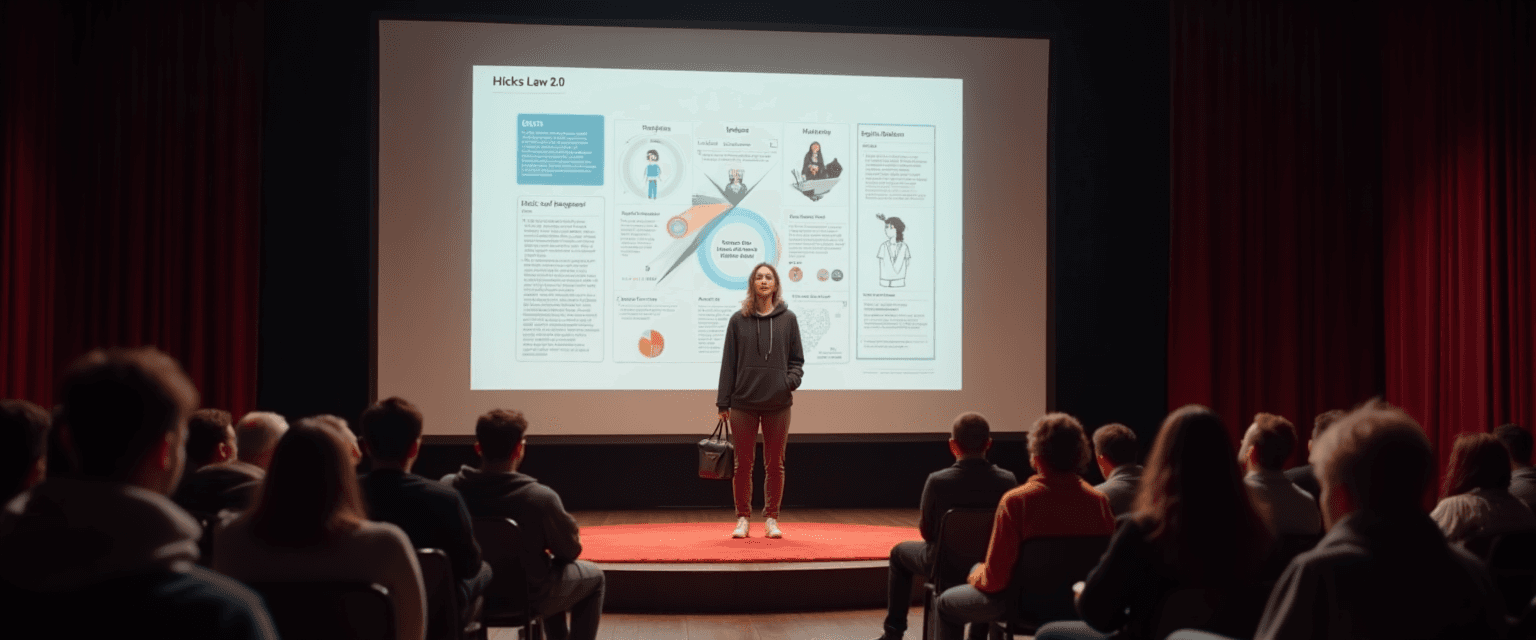
These terms might look great in a slide deck, but they are often just new labels for ideas we have been using for years.
The problem 🤯
The UX industry has a habit of rebranding common sense.
A simple concept like “put related items together” becomes a “Cognitive Grouping Pattern Framework.” Or “make buttons look clickable” becomes “Interactive Affordance Signaling.”
These terms might look great in a slide deck, but they are often just new labels for ideas we have been using for years.
The pros ✅
Keeps ideas in circulation
Example: “Mobile-first design” got people thinking about small screens first, even though responsive design already covered the concept.
Adds structure
Example: The “Jobs To Be Done” framework reframes user needs in a structured way, even if it overlaps with existing user research practices.
Easier to market
Example: “Dark Mode” sounds like a new feature, but it is simply an alternative color theme.
The cons ❌
Gatekeeping through jargon
Example: A junior designer might hear “Hick’s Law” and feel intimidated when it is just about reducing the number of choices.
Dilutes critical thinking
Example: Teams might apply “The Hook Model” without asking if it is even right for their product.
More talk, less action
Example: Spending weeks debating if you are following the “Atomic Design” method instead of actually designing.
How to spot the overcomplication 🔍
If the term sounds like it belongs in a TED Talk, but you can explain it in one short sentence, it is probably repackaged.
If you can map it back to a basic UX law or human behavior, it is not new.
If the examples feel forced, it might be a trend riding on relevance.
How to avoid falling for it 🛡️
Ask: “What does this mean in plain language?”
Trace the idea back to its roots. You will often find a much simpler form.
Focus on results, not on whether you are “applying” the latest term.
Closing thought:
Innovation in UX should be about improving the experience, not about renaming what already works. Complexity for the sake of relevance is still just noise.
The pros ✅
Keeps ideas in circulation
Example: “Mobile-first design” got people thinking about small screens first, even though responsive design already covered the concept.
Adds structure
Example: The “Jobs To Be Done” framework reframes user needs in a structured way, even if it overlaps with existing user research practices.
Easier to market
Example: “Dark Mode” sounds like a new feature, but it is simply an alternative color theme.
The cons ❌
Gatekeeping through jargon
Example: A junior designer might hear “Hick’s Law” and feel intimidated when it is just about reducing the number of choices.
Dilutes critical thinking
Example: Teams might apply “The Hook Model” without asking if it is even right for their product.
More talk, less action
Example: Spending weeks debating if you are following the “Atomic Design” method instead of actually designing.
How to spot the overcomplication 🔍
If the term sounds like it belongs in a TED Talk, but you can explain it in one short sentence, it is probably repackaged.
If you can map it back to a basic UX law or human behavior, it is not new.
If the examples feel forced, it might be a trend riding on relevance.
How to avoid falling for it 🛡️
Ask: “What does this mean in plain language?”
Trace the idea back to its roots. You will often find a much simpler form.
Focus on results, not on whether you are “applying” the latest term.
Closing thought:
Innovation in UX should be about improving the experience, not about renaming what already works. Complexity for the sake of relevance is still just noise.
Got thoughts? I’m all ears.
I’m always up for thoughtful conversations.
I’m always up for thoughtful conversations.