Reflection
UX Advice vs. Reality
UX Advice vs. Reality
UX Advice vs. Reality
What LinkedIn doesn't tell you about power, politics, and pushing back
What LinkedIn doesn't tell you about power, politics, and pushing back
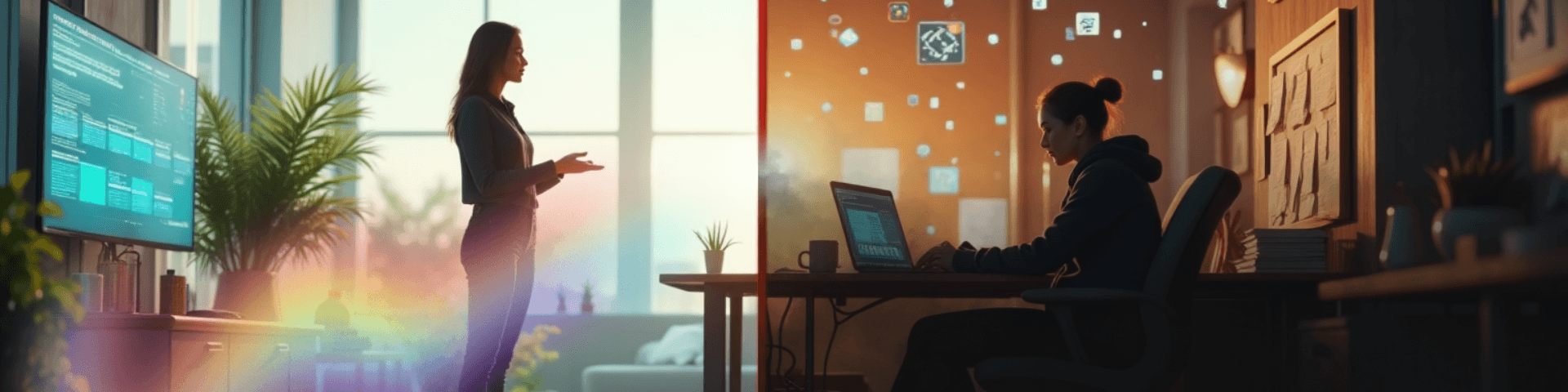
Some UX posts get a lot of engagement.
But if I’m being honest, they wear me out.
You’ve seen them. The ones that say:
"Push back on stakeholders."
"Say no to bad UX."
"Always advocate for users."
They sound empowering.
And they probably work — If you’re in a mature UX team.
Inside a well-funded company.
With leadership that already gets it.
But what if you’re not?
What if you're the only designer in a start-up,
wearing multiple hats, reporting to someone
who’s never worked with design before?
What if you're the lowest-paid person in the room?
Suddenly, that advice starts to feel... incomplete.
UX doesn’t operate in a clean bubble.
It lives inside power structures.
Org charts. Deadlines. Egos. OKRs.
So yes, it’s nice to imagine we can always fight for the user.
But saying “this is bad UX” isn’t always strategic. Or even safe.
And honestly,
I’ve learned to be less critical of other products too.
If I ever am, it’s always with consideration — not judgment.
Because behind that clunky interface or awkward flow,
there might be constraints I don’t see.
Decisions made from higher up.
Trade-offs from limited time, budget, or people.
A "bad UX" isn’t always the designer’s fault.
Often, it’s a shared outcome — a reflection of many moving parts and tough calls.
We adapt.
We reframe our words.
We ask better questions.
We give feedback at the right time.
We show, not just tell.
Not because we’re scared.
But because we’ve learned that influence takes more than just being right.
This might sound idealistic in its own way — advocating for reality instead of perfection.
And maybe it’s hypocritical to call out overly perfect UX advice,
while trying to offer more realistic ones.
But my take isn’t about lowering the bar.
It’s about speaking to the majority.
Most designers aren’t in dreamy, well-resourced UX departments.
They’re in scrappy teams.
They’re generalists doing what they can, where they are.
The best designers I know?
They aren’t just user advocates.
They’re quiet diplomats.
UX is part psychology, part politics.
And no amount of Figma skill makes up for that.
Some UX posts get a lot of engagement.
But if I’m being honest, they wear me out.
You’ve seen them. The ones that say:
"Push back on stakeholders."
"Say no to bad UX."
"Always advocate for users."
They sound empowering.
And they probably work — If you’re in a mature UX team.
Inside a well-funded company.
With leadership that already gets it.
But what if you’re not?
What if you're the only designer in a start-up,
wearing multiple hats, reporting to someone
who’s never worked with design before?
What if you're the lowest-paid person in the room?
Suddenly, that advice starts to feel... incomplete.
UX doesn’t operate in a clean bubble.
It lives inside power structures.
Org charts. Deadlines. Egos. OKRs.
So yes, it’s nice to imagine we can always fight for the user.
But saying “this is bad UX” isn’t always strategic. Or even safe.
And honestly,
I’ve learned to be less critical of other products too.
If I ever am, it’s always with consideration — not judgment.
Because behind that clunky interface or awkward flow,
there might be constraints I don’t see.
Decisions made from higher up.
Trade-offs from limited time, budget, or people.
A "bad UX" isn’t always the designer’s fault.
Often, it’s a shared outcome — a reflection of many moving parts and tough calls.
We adapt.
We reframe our words.
We ask better questions.
We give feedback at the right time.
We show, not just tell.
Not because we’re scared.
But because we’ve learned that influence takes more than just being right.
This might sound idealistic in its own way — advocating for reality instead of perfection.
And maybe it’s hypocritical to call out overly perfect UX advice,
while trying to offer more realistic ones.
But my take isn’t about lowering the bar.
It’s about speaking to the majority.
Most designers aren’t in dreamy, well-resourced UX departments.
They’re in scrappy teams.
They’re generalists doing what they can, where they are.
The best designers I know?
They aren’t just user advocates.
They’re quiet diplomats.
UX is part psychology, part politics.
And no amount of Figma skill makes up for that.
Got thoughts? I’m all ears.
I’m always up for thoughtful conversations.
I’m always up for thoughtful conversations.